
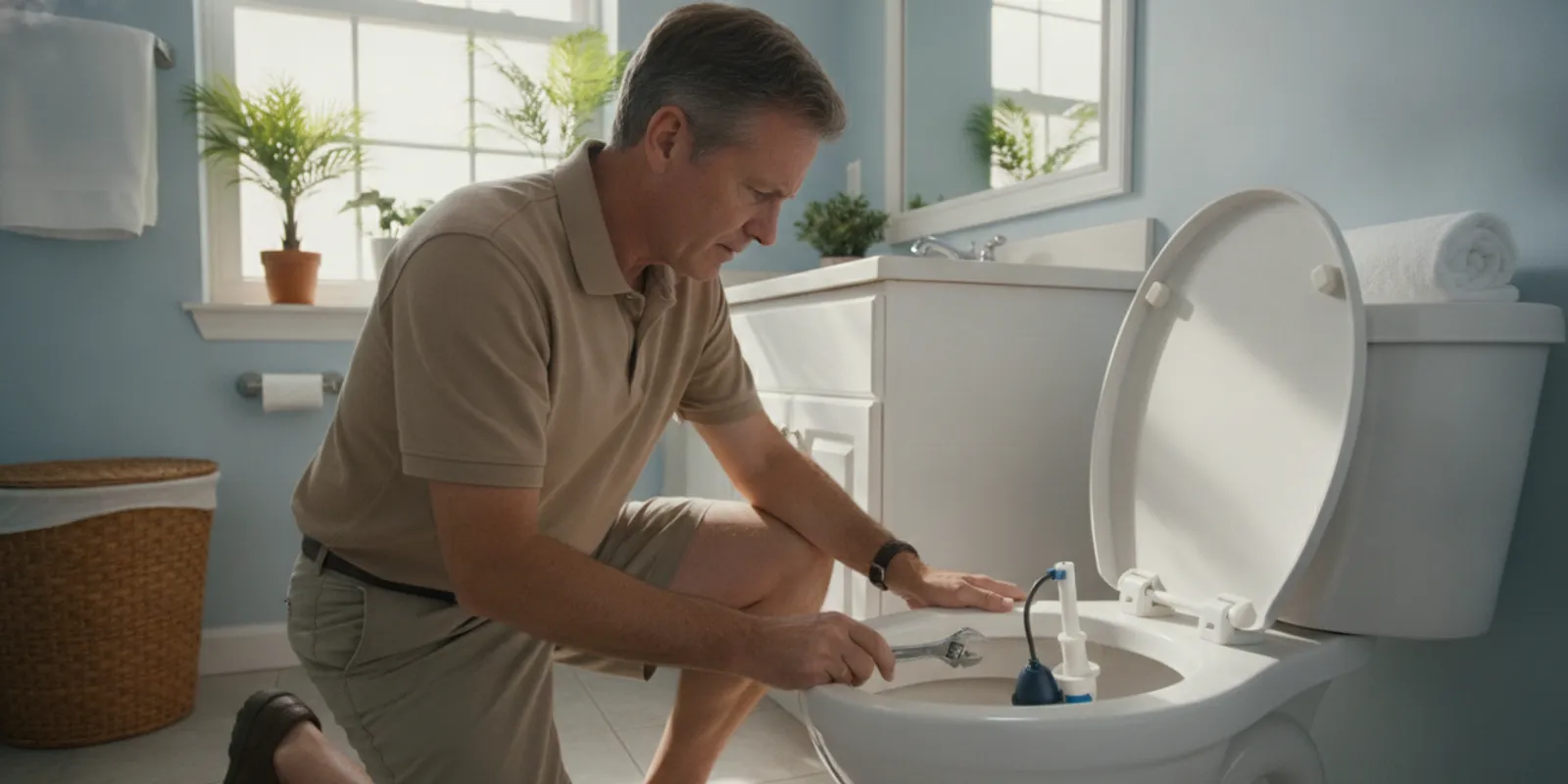
A toilet that keeps running can be more than an irritating sound. It may waste water and often points to a tank part that is not sealing or moving as it should. If you are looking for a plumber for running toilet concerns, start with safe observations, then decide whether the problem needs professional attention.
What makes a toilet keep running?
Most conventional toilets refill the tank after a flush. Once the tank reaches its set water level, the fill valve should stop incoming water. The flapper or another flush-valve seal should close the opening at the bottom of the tank. If a seal leaks or a component does not move freely, water can continue to enter the bowl or tank.
Common possibilities include a worn or misaligned flapper, a chain that is too tight or tangled, a float set too high, or a fill valve that is not shutting off. Mineral buildup or an aging component may also interfere with a proper seal. These are possibilities, not a diagnosis: the visible symptom alone may not tell you which part needs attention.
A brief refill after flushing is normal. A steady trickle into the bowl, repeated refilling when nobody has used the toilet, or a tank that never seems to stop filling suggests that something may be wrong. If you also see water on the floor, treat that separately from a tank noise and check for a leak source.
There are two broad patterns worth distinguishing. With a slow leak past the flush seal, water can quietly seep from the tank into the bowl, and the fill valve may switch on from time to time to top the tank back up. With a fill problem, water may continue rising or flow into the overflow tube. The patterns can look similar to a homeowner, so note what you see without assuming a particular part has failed.
Water conservation is one reason to address a persistent flow rather than ignore it. The U.S. Environmental Protection Agency provides water-efficiency guidance for homes at EPA.gov. The practical takeaway here is simple: a toilet that continually refills is worth investigating, even if the sound is faint.
What can you safely check first?
Begin with observation rather than taking the toilet apart. Keep the floor dry and avoid forcing a handle or valve. If the tank lid is heavy or awkward, leave it in place and ask for help. For a comfortable, straightforward visual check, carefully lift the lid and set it on a stable, protected surface.
- Listen and look. Note whether water is moving constantly, whether the tank refills on its own, or whether the sound happens only after a flush.
- Check the handle. A handle that stays down or catches can keep the flush mechanism open. Gently return it to its resting position; do not force it.
- Look at the chain. If visible, see whether it is caught under another part or pulled taut when the handle is at rest. Avoid changing chain length unless you understand how the mechanism is assembled.
- Notice the water level. If water is spilling into the overflow tube, the float or fill-valve adjustment may be involved. Do not turn unfamiliar screws or dismantle the valve.
- Check around the base. If there is water on the floor, stop using the toilet if practical and identify whether it appears after flushing or is present continuously.
Do not use chemical drain cleaner in the toilet tank or bowl to address a running sound. Such products do not repair a faulty tank seal and can create additional risks. Keep children and pets away from an open tank, and do not reach into water if electrical equipment or an outlet is wet.
A short observation log can make a service conversation more useful. Record when the sound occurs, how often the tank starts refilling, whether the water line seems near the overflow tube, and whether moisture appears at the base. You do not need to measure or touch anything. Even a simple note such as “refills every few minutes when unused” is more informative than “it sounds strange.”
When should you call a plumber for a running toilet?
Consider professional help when the toilet keeps running after a simple handle check, the tank repeatedly refills, the source is unclear, or a repair attempt has not held. A plumber can inspect the tank components, confirm whether a seal or valve is at fault, and check for related leakage. If water is reaching the floor, spreading, or damaging nearby materials, act promptly and avoid using the fixture until the problem is assessed.
If you know where the toilet’s shutoff valve is and can operate it without force, closing it can stop water entering the tank while you wait. The valve is usually on the wall or floor behind the toilet. Turn it gently; if it is stuck, corroded, or begins to leak, do not force it. For a time-sensitive issue, see the company’s emergency plumbing information.
Repeated problems, a loose toilet, water appearing at the base, or signs of damage deserve attention beyond the sound itself. A toilet can have more than one issue, so explain everything you have noticed. For fixture and pipe concerns, review the company’s plumbing services and toilet installation and repair information. If you suspect moisture extends beyond the fixture, its water leak detection and repair page may also help you identify the relevant service area.
The symptom alone does not tell you whether a small component adjustment, a replacement part, or a broader repair is appropriate. A useful assessment should connect the observed behavior to a clear finding. If there is active water loss that you cannot safely control, prioritize stopping the exposure and request help rather than repeatedly flushing to test it.
How do common next steps compare?
| What you notice | Reasonable next step | When to get help |
|---|---|---|
| Handle does not return fully | Gently return it to its resting position and listen again | If it sticks again or the toilet continues to run |
| Visible chain appears caught | Observe its position without pulling or forcing parts | If the connection is damaged or the seal still leaks |
| Water keeps flowing into the tank | Note how long it continues; use the shutoff only if it turns easily | If the valve will not stop flow or the cause is uncertain |
| Water appears around the base | Keep the area clear and limit use of the toilet | Promptly, especially if water spreads or returns |
| Tank refills without a flush | Note how often it happens and whether the sound stops | If refilling repeats or the source remains unclear |
This comparison is a guide to choosing a safe next step, not a substitute for examining the fixture. Avoid replacing parts based only on a guess; the right repair depends on what is actually failing and the condition of the toilet. If the shutoff valve is questionable, do not treat it as a reliable way to control a leak until it has been assessed.
What happens during a plumbing assessment?
A useful visit starts with your description of the symptom: when it began, whether it is constant, and what happens after a flush. The plumber may inspect the handle, chain, float, fill valve, flush valve, and seals, then operate the toilet to see when the water continues. If you have noticed floor moisture or a change in flushing, mention it before the inspection.
It helps to distinguish the tank noise from other problems. A toilet that runs between flushes is different from one that overflows when flushed, drains slowly, or moves at the base. These symptoms may call for different checks. Share all of them, but do not flush repeatedly if water is rising or escaping onto the floor.
Before approving work, ask what the inspection found, which component needs attention, and whether the proposed repair addresses the cause or only a symptom. Ask what the work includes and whether additional issues would be discussed before proceeding. For non-urgent service, you can contact Space Coast Cooling & Plumbing. The company’s frequently asked questions may also help you prepare general questions before arranging service.
How can you prepare for the repair visit?
- Keep the path to the toilet clear and remove items stored beside or behind it.
- Tell the plumber whether the issue is constant, intermittent, or only after flushing.
- Point out any water on the floor, loose movement, prior repairs, or shutoff-valve concerns.
- If you have closed the shutoff valve, say so; do not reopen a valve that is stuck or leaking.
- Keep pets and children away from the work area.
If the toilet is in a bathroom used by several people, let everyone know not to flush it while the water is shut off or while you are waiting for service. If you are uncertain which valve controls the fixture, do not experiment with valves that serve other plumbing.
Gathering a few details can also prevent guesswork. Note whether anyone recently adjusted the tank, whether the symptom began after a flush or repair, and whether the problem affects one toilet or more than one. You do not have to diagnose the plumbing or take photographs, but a clear timeline helps the plumber reproduce the issue and focus the inspection.
For a non-urgent visit, decide what questions matter to you before work begins. You might ask what caused the running, what the repair changes, whether the toilet will be tested afterward, and what to watch for if the sound returns. If the explanation is not clear, ask for it in plain language before deciding how to proceed.
Homeowners in the service region can check local service information for Melbourne, Palm Bay, and Titusville. Use those pages to review coverage information rather than assuming that a particular appointment time or service option is available.
Frequently Asked Questions
Can a running toilet stop on its own?
The sound may stop temporarily if a part shifts, but that does not confirm the underlying issue is fixed. If the toilet begins running again or refills without use, arrange an assessment.
Is it safe to use the toilet while it is running?
A toilet that only has a tank mechanism issue may still flush, but repeated use can continue the problem. Avoid using it if water is leaking onto the floor, the fixture is loose, or the shutoff valve has been closed.
Should I turn off the water behind the toilet?
Only if you can identify the fixture’s shutoff valve and it turns gently without leaking. Do not force a stuck valve. If water is escaping and you cannot safely stop it, seek plumbing help.
Does a running toilet always need a new toilet?
No. A running sound can come from a tank component or adjustment, but an inspection is needed to identify the cause. Ask the plumber to explain the finding and repair options before approving work.
Get a clear next step
A running toilet is easier to address when you can describe what it does and when it happens. Make only safe observations, avoid forcing valves or tank parts, and ask a plumber to assess a problem that persists or causes water to escape.